
Renting an apartment in Malta can feel confusing
Especially if you're new to the island. Many tenants don’t know what landlords legally can and cannot do under the Private Residential Leases Act (PRLA).
This guide explains your rights as a tenant in, what behaviour is illegal, and how to protect yourself.
Malta has one of the most regulated rental markets in Europe.
Your landlord cannot simply “decide new rules”. Most things are defined by law.
Knowing your rights helps you:
- avoid scams,
- understand what is normal and what is illegal,
- negotiate confidently,
- protect your deposit,
- move out without stress.
1. Your landlord cannot increase the rent whenever they want
Under Maltese law:
- Rent cannot increase during the fixed term of your contract,
- Increases are allowed only at renewal, and only up to the legal cap (usually max 5% per year) unless the contract states otherwise.
Your landlord cannot:
- raise rent mid-year,
- demand more money “because costs went up”,
- force you to sign an immediate increase.
If they try this then it's not legally valid.
What to do if this happens:
Politely refuse and refer to the PRLA. If the landlord insists, file a quick enquiry with the Housing Authority — they confirm rent legality within days.
2. Your landlord cannot enter the property without your permission
A landlord cannot legally:
- enter your apartment unannounced,
- come in “to check something”,
- use their spare key,
- let workers in without informing you.
They must:
- give reasonable notice,
- agree on a mutual time,
- respect your privacy.
Entering without permission counts as harassment.
What to do if this happens:
Send a written message asking them to stop (WhatsApp is fine but keep a screenshot). If it continues, submit a harassment complaint to the Housing Authority.
3. Your landlord cannot evict you without following the legal process
Eviction in Malta requires:
Written notice,
Correct legal notice period,
Valid legal reason,
Sometimes — a Housing Authority procedure.
A landlord cannot evict you because:
- they changed their mind,
- someone else offered higher rent,
- you reported an issue,
- you disagreed with them.
Illegal eviction attempts are punishable.
What to do if this happens:
Do not leave the property. Contact the Housing Authority immediately — illegal eviction attempts are usually stopped the same week.
4. Your landlord cannot refuse to register the lease
Every rental contract in Malta must be registered with the Housing Authority.
Registration is the landlord’s legal responsibility — only the landlord (lessor) can submit the registration.
Landlords must:
- register the lease within the legal deadline (current standard: 30 days),
- pay the registration fee,
- provide you with a copy of the registered lease.
A landlord cannot:
- ask you to avoid registration,
- insist on cash-only payments to “keep it off the system”,
- claim that “registration is optional”,
- rent you a property under a tourist licence while treating it as a long-term rental.
If the lease is not registered, you still have rights — but the landlord is the one breaking the law and risking penalties.
What to do if this happens:
You cannot register the lease on your own (only the landlord can), but you can file a non-registration report with the Housing Authority. They will contact the landlord directly and can impose penalties if the registration is not completed.
5. Your landlord cannot keep your deposit without a valid reason
Deposit deductions must be:
- reasonable,
- documented,
- linked to actual damage — not normal wear and tear.
A landlord cannot deduct deposit for:
- minor wear and tear,
- old furniture breaking naturally,
- repainting,
- standard cleaning,
- replacing items already damaged.
Important legal note:
Even if a contract says the landlord can deduct for normal wear, the law overrides it. The PRLA states deposits can only cover actual damage or unpaid bills/rent. So even if it's "in the contract", an unfair clause is not enforceable.
What to do if this happens:
Ask for an itemised list + photos. If it feels unfair, file a deposit dispute — Housing Authority solves most within 30 days.
6. Your landlord cannot force early termination fees if the law protects you
For a standard long-term lease:
- You can leave after 6 months with 1-month notice (1-year lease),
- After 9 months with 2-month notice (2-year lease),
- After 12 months with 3-month notice (3-year lease).
These minimums come from law — a landlord cannot override them.
What to do if this happens:
Explain your legal right to terminate. If they still demand fees, submit a “contract breach” case.

7. Your landlord cannot cut off utilities to pressure you
This is very rare in Malta — most landlords behave correctly. But if it happens, it is considered serious harassment.
Utility shutdowns include:
- purposely cutting electricity,
- disconnecting water,
- removing Wi-Fi they previously provided.
Legal clarification: landlords cannot disconnect utilities — even if bills are unpaid
According to Malta’s Private Residential Leases Act and current enforcement practice, only ARMS Ltd (Automated Revenue Management Services) — Malta’s official water and electricity provider — has the legal authority to suspend utility services. This can happen only when the ARMS account linked to the property is in arrears with ARMS itself.
A landlord cannot legally disconnect utilities as a form of pressure, punishment, or retaliation — even if the tenant has not paid their share of the bills or is late with rent.
Times of Malta confirms this clearly: “landlords are prohibited from disconnecting water and electricity supplies, even in situations where tenants fail to pay their utility bills.” (Times of Malta, 2025)
Cutting utilities by the landlord is considered harassment and may lead to legal penalties.
What to do if this happens:
Document everything and report it immediately. Housing Authority prioritises utility-cut cases.
8. Your landlord cannot refuse necessary maintenance
Landlords are responsible for:
- structural issues,
- plumbing problems,
- electrical faults,
- appliances included in the inventory,
- humidity caused by construction defects.
Tenants are responsible only for minor daily-use issues (e.g., lightbulbs, basic wear).
Deposit / repair clarification:
A landlord cannot use your deposit for repairs that fall under their legal responsibility. Deposit can only be used for damage caused by the tenant, not normal faults or ageing.
A landlord cannot take this money from your deposit, unless they can prove the problem was caused by misuse or negligence (for example: breaking the AC by improper cleaning, flooding the dishwasher, or forcing a jammed mechanism). In almost all normal scenarios, repairs of major systems and appliances are paid by the landlord, not the tenant.
What to do if this happens:
Send the landlord a written request + photos. If they ignore it, submit a “failure to maintain property” case.
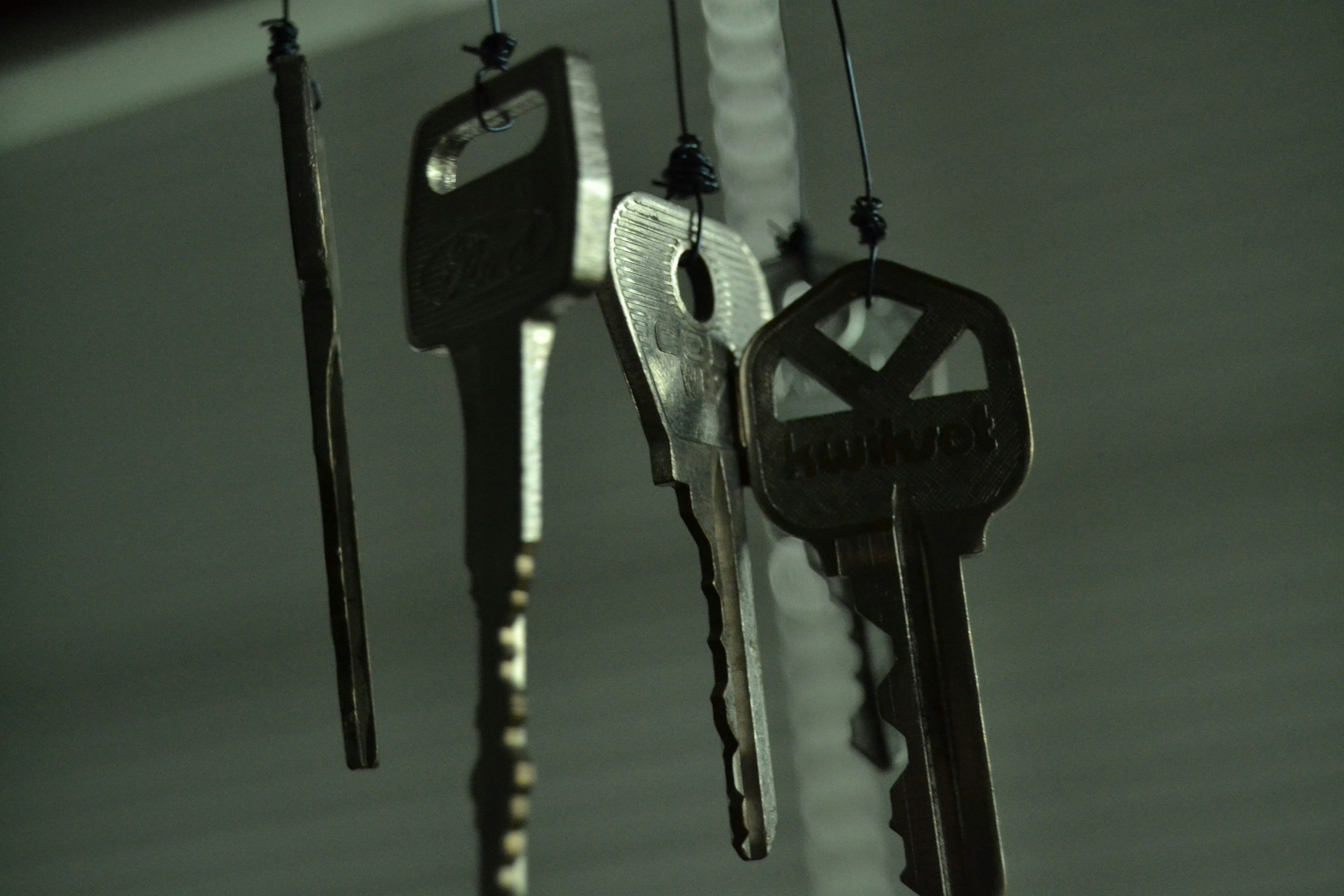
9. Your landlord cannot keep extra keys without your knowledge
A landlord may keep one spare key only if:
- you know about it,
- it's used strictly for agreed visits or emergencies.
Keeping secret keys is a breach of privacy.
What to do if this happens:
Ask for key transparency. If you're uncomfortable, legally you can change the lock — but you must restore it at the end of the lease.
There is no clause in Maltese law that forbids a tenant from temporarily changing a lock, as long as: you restore the original lock at the end of the lease, and you do not damage the property.
This is common practice in many countries, including Malta, especially when:
- a landlord enters without permission,
- the tenant believes extra keys exist,
- the tenant feels unsafe.
Because it is not prohibited by law, it falls under your right to quiet enjoyment and privacy. If you change a lock, you must avoid damaging the property and reinstall the original lock at the end of the lease. Blocking agreed maintenance, refusing emergency access, or permanently altering the lock may lead to deposit deductions, liability for damages, or a Housing Authority complaint.
10. Your landlord cannot demand unlimited access for viewings
If you're moving out, viewings must follow:
- reasonable notice,
- agreed times,
- no excessive frequency,
- your consent.
You still have full privacy until the contract ends.
What to do if this happens:
Propose specific time slots per week. If the landlord pressures you, remind them this is harassment and you can report it.
When and Where should you report a landlord?
You should contact the Housing Authority if the landlord:
- refuses to register the lease,
- keeps your deposit unfairly,
- enters illegally,
- threatens eviction,
- ignores serious repairs,
- pressures you,
- violates contract terms,
- charges illegal rent increases.
The Housing Authority resolves most cases quickly — especially clear violations.
How to report a landlord in Malta (step-by-step)
Online submission
Go to the official Housing Authority portal: rentregistration.gov.mt and create an account if you don’t have it yet. Select “Dispute Resolution” and “Submit a Dispute” on registrated contract. If the registrated contract is not attached to your user - send an email at registration.ha@ha.gov.mt requesting it to be attached to the account.
Fill in the form and choose the type of issue (deposit dispute, non-registration, illegal eviction, harassment, maintenance failure etc.) and upload evidence such as your contract, screenshots, photos or receipts.
After you submit the dispute, you will receive a case reference number by email.
Most cases are reviewed within 7–20 working days, depending on complexity.
Do disputes cost money?
Yes — submitting a formal dispute with the Housing Authority involves a small administrative fee.
According to HA regulations, filing a claim or counter-claim costs €10, and submitting a reply costs €7. These fees apply to all dispute types (including deposit disputes, non-registration cases, harassment, or illegal eviction). Payment is done directly through the online system when you submit the form.
Can you submit a dispute by email?
No — a dispute cannot be submitted by email. The Housing Authority only accepts formal complaints through the official online system at rentregistration.gov.mt. Email is used only for clarifications or for requesting that your rental contract be assigned to your account if it does not appear in the system. All formal claims, counter-claims and replies must be submitted through the online portal.
Can you submit a dispute in person?
Yes — you can visit the Housing Authority office in Floriana if you need assistance, but the dispute will still be filed digitally. Staff can help you create an account, upload your documents and complete the online submission, but there is no paper-only alternative. All disputes are officially processed through RentRegistration.mt, even when submitted with help from HA staff in person.
What happens after filing
- Your case is reviewed within usually 7–20 days,
- Housing Authority may contact the landlord directly,
- Many cases get solved immediately once the landlord is notified.