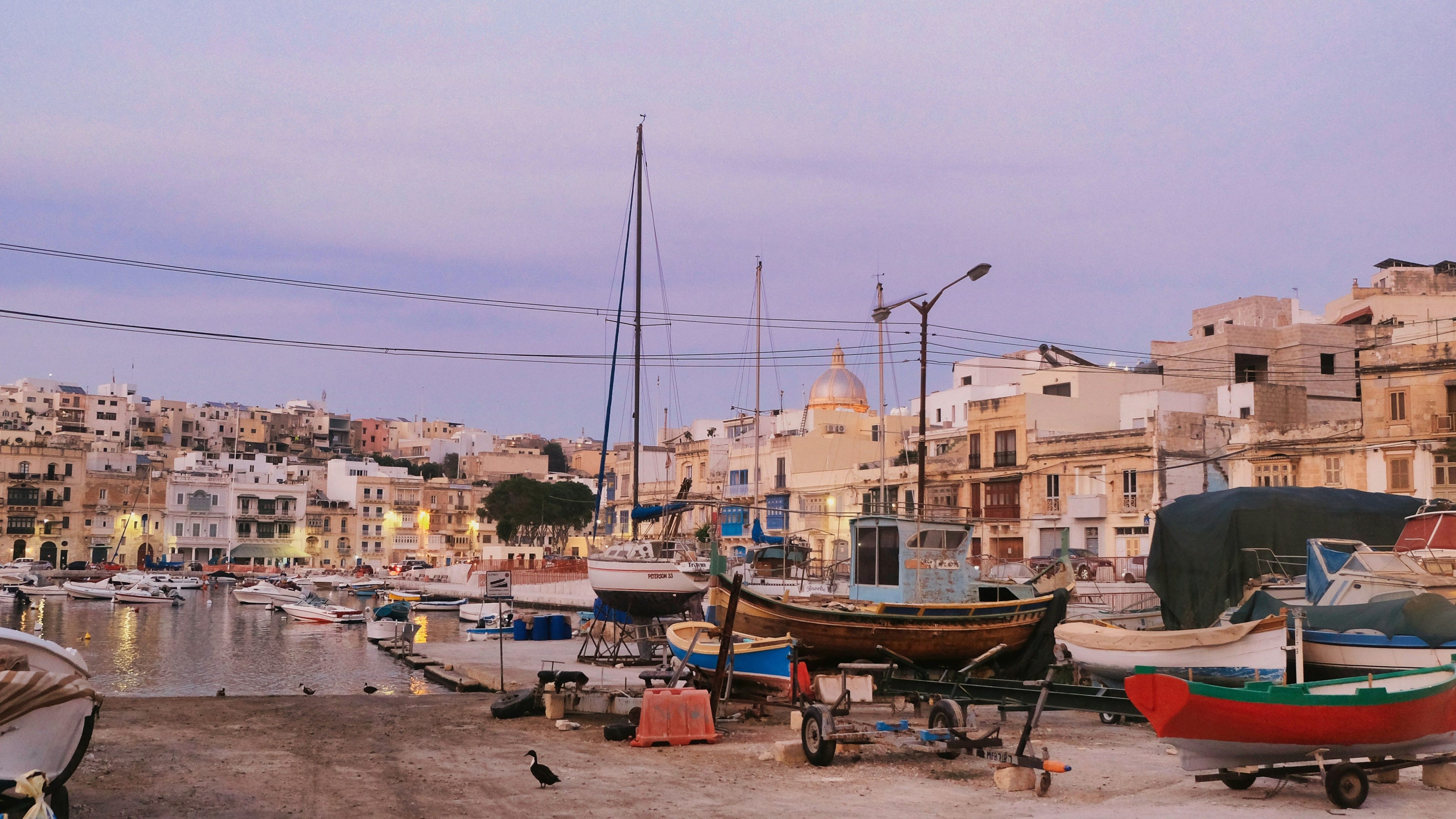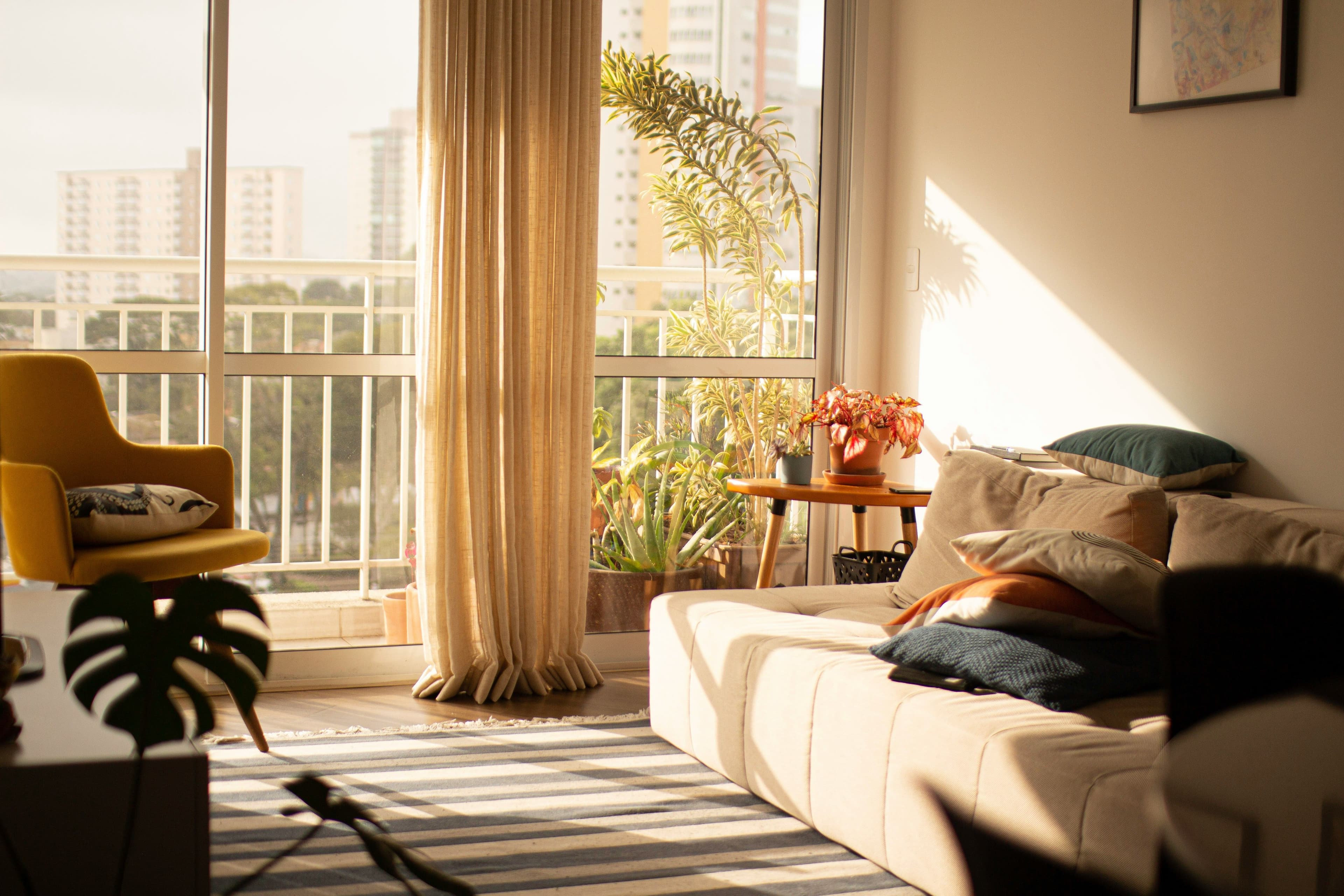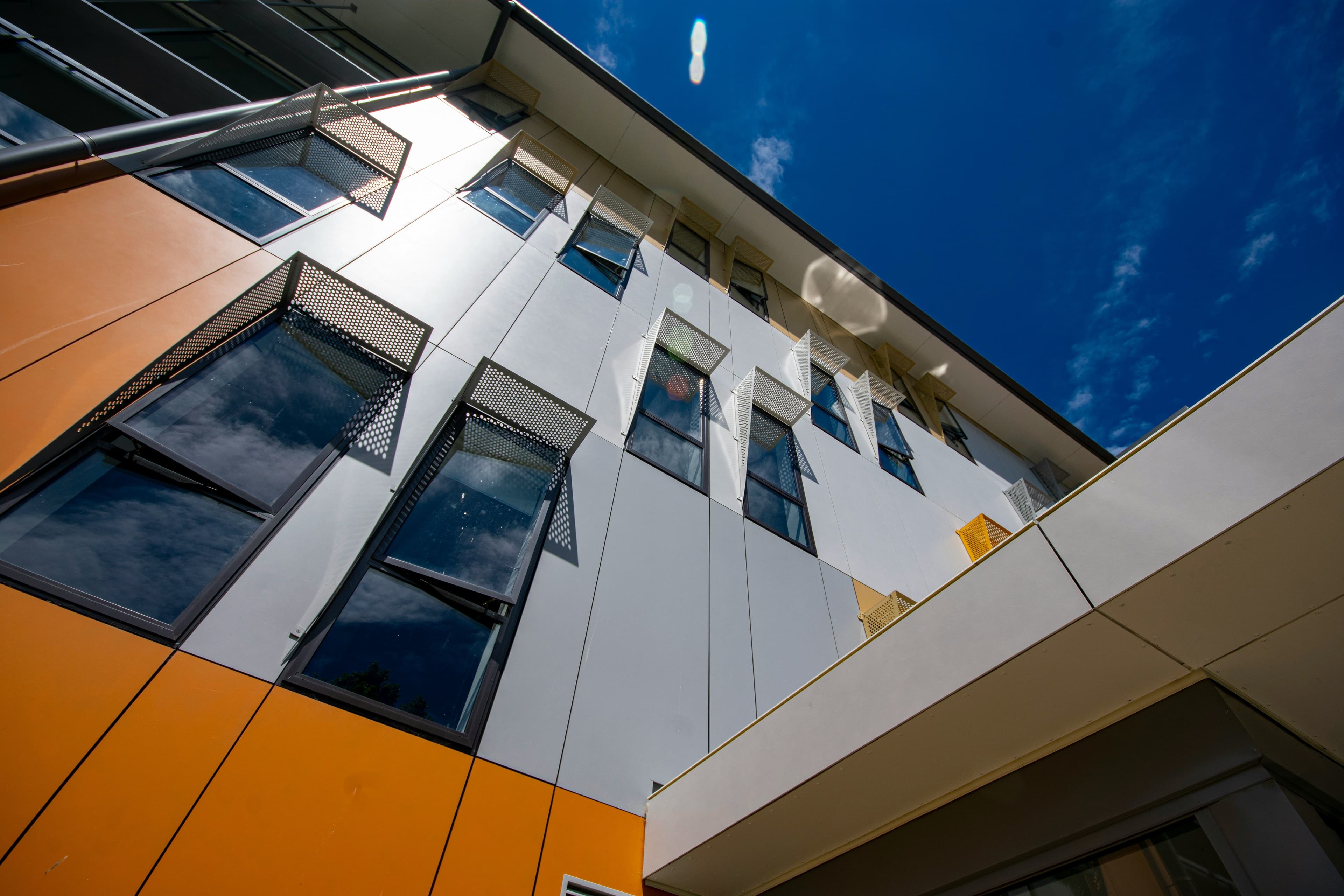
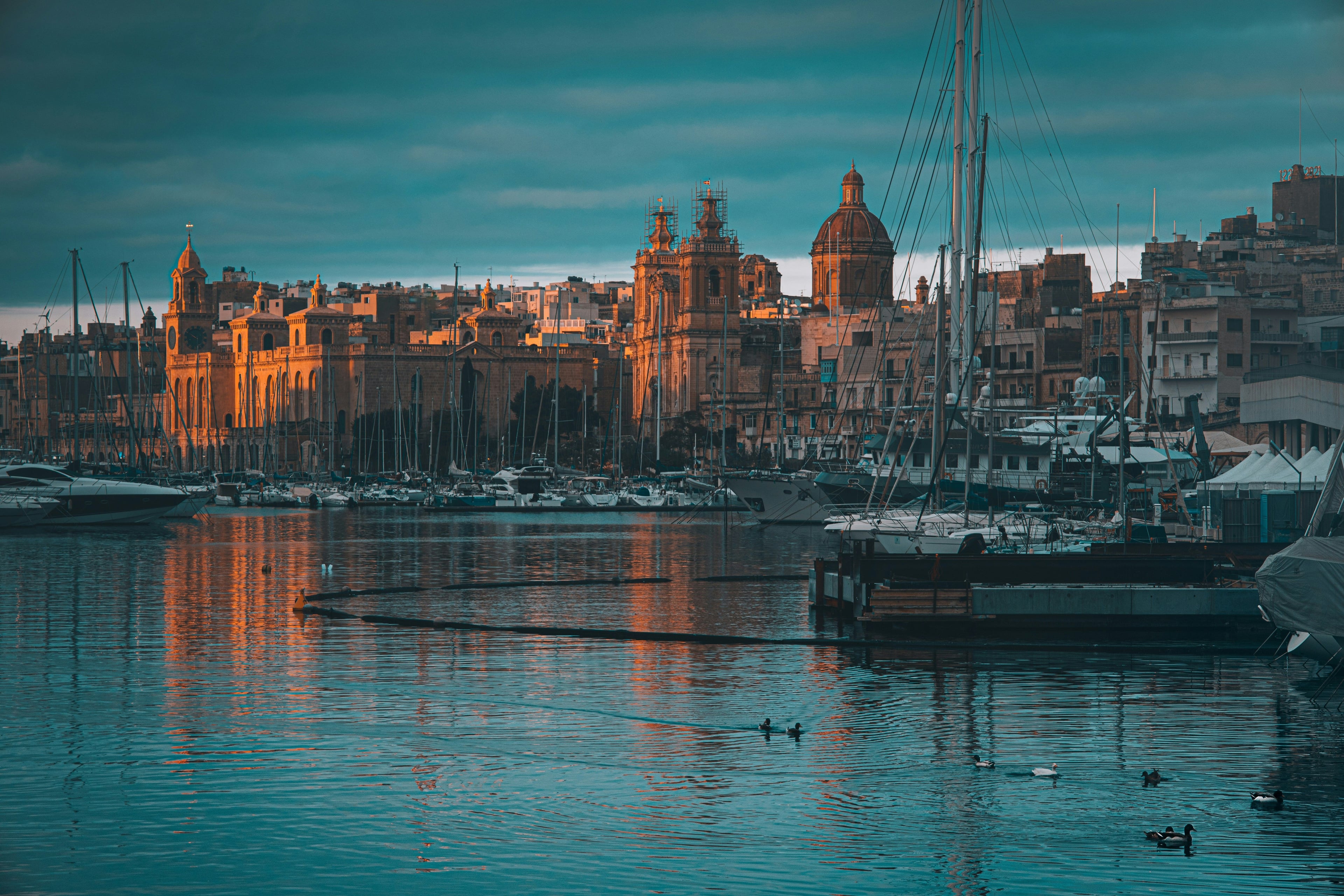
The island might be small, but it’s very divided in character.
Malta is a small island with many contrasts. There are quiet, more spacious areas where life moves slower and things still feel local — but also busy coastal towns packed with buildings, narrow streets, and barely any open space left, which is something locals often complain about.
As everywhere, each area has its own rhythm, prices, and communities.
Where are the best places to live in Malta — and how do you choose the right one if you’ve never been here before?
This guide breaks down the best places to live in Malta in 2025, what each area offers, and how to choose based on your daily life, commute, lifestyle, and average rent prices.
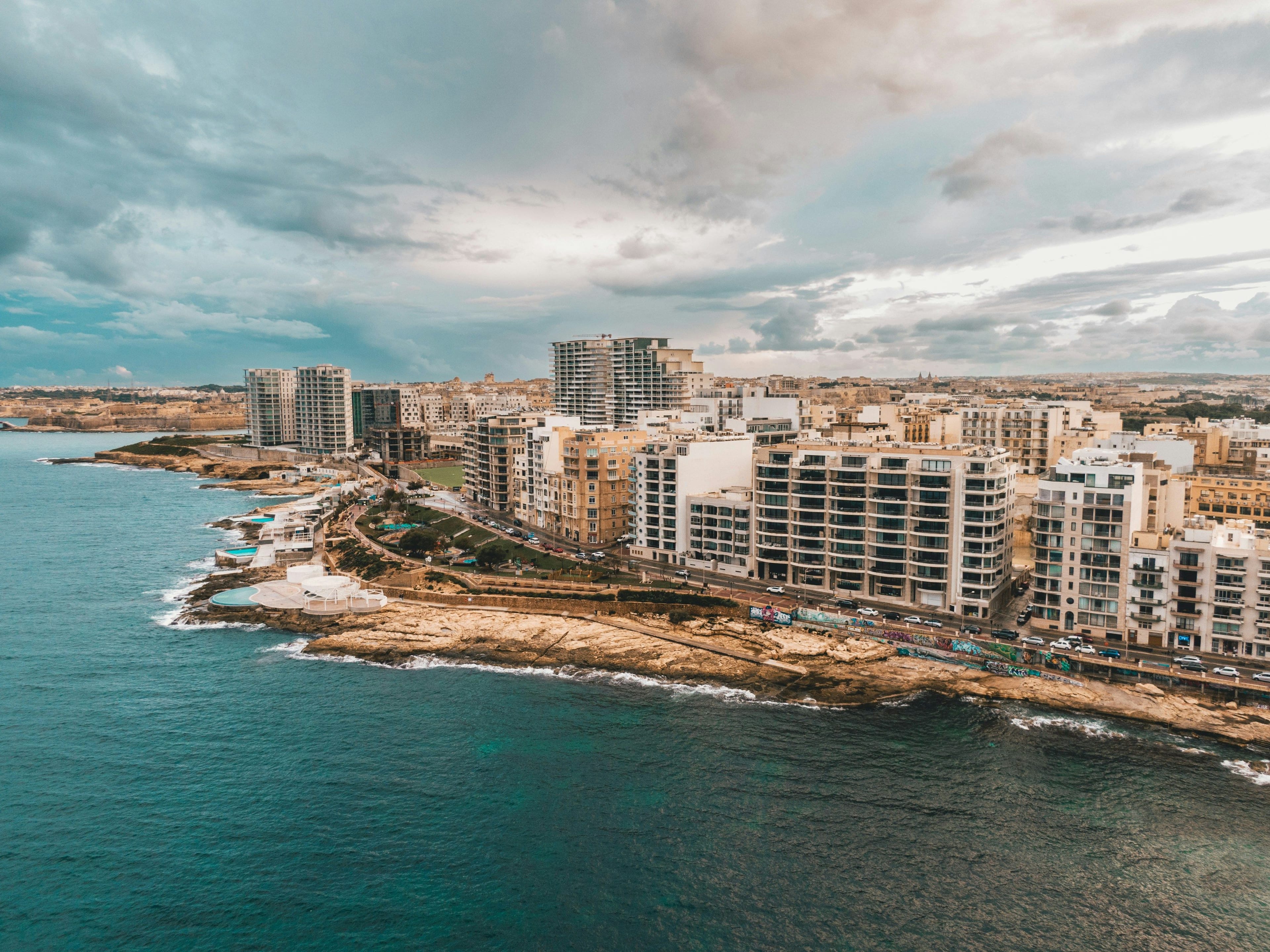
Sliema
One of the most popular areas to live in Malta. This town is perfect if you like having everything within walking distance — supermarkets, cafés, gyms, pharmacies, and the promenade by the sea.
- Average rent: around €1,200–€1,600/month for a one-bedroom apartment; two-bedrooms often range between €1,800–€2,400 depending on sea view and building,
- Transport: many direct buses that mostly run along the coast, connecting all main seaside towns,
- Lifestyle: urban and convenient, lots of restaurants, gyms, and bars, close to the rocky beach,
- Community: mostly expats, working professionals, and tourists,
- Vibe: busy, international, practical — but definitely not quiet, it has its own charm - especially along the coast.
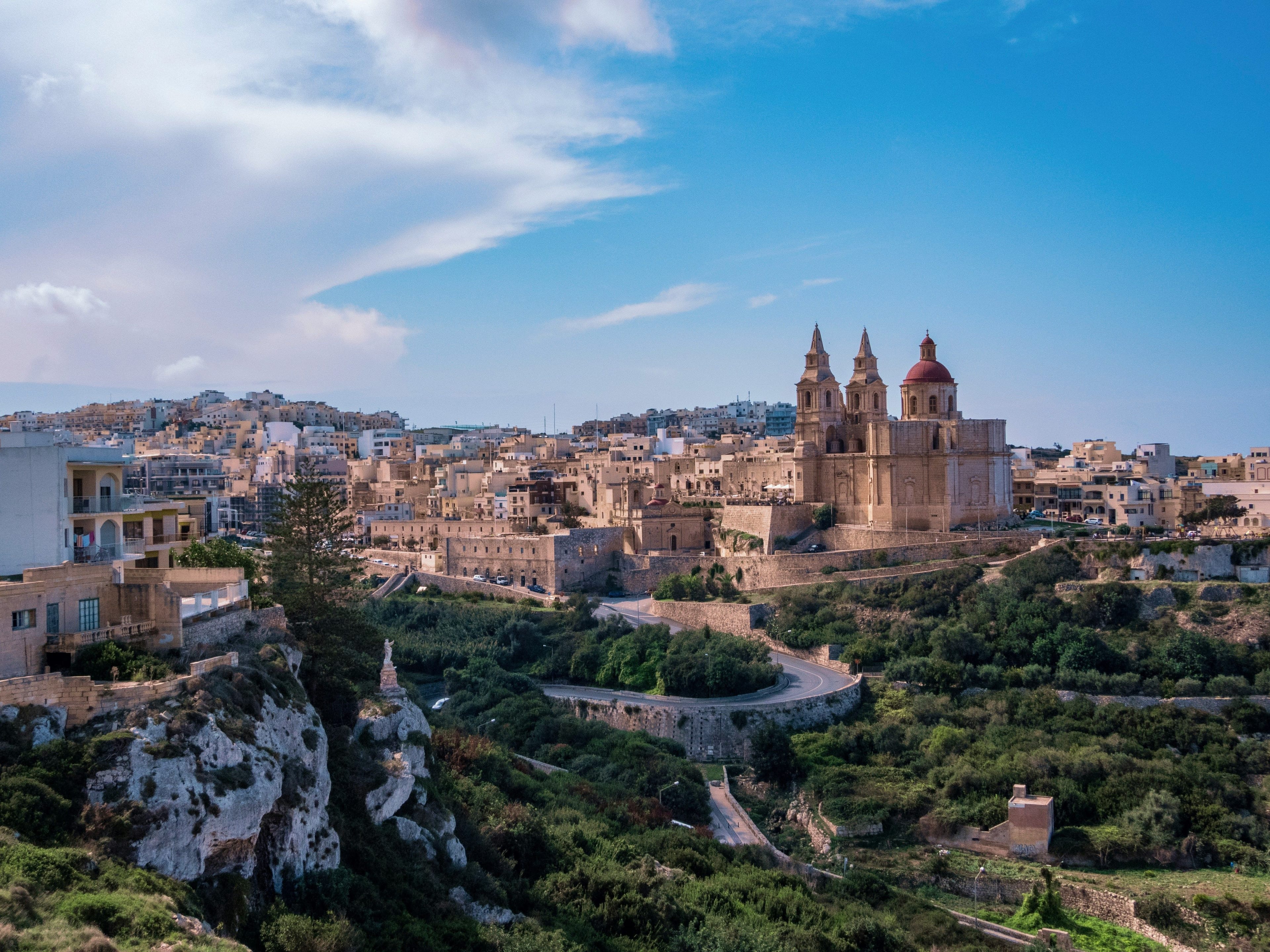
Mellieħa
Probably one of the most scenic parts of Malta. Its hills, sea views, and distance from the crowded coast make it a perfect place for peace and beach life.
- Average rent: around €900–€1,200/month for a one-bedroom; sea-view or modern apartments around €1,300–€1,500,
- Transport: fewer buses, especially if you want to go to the other side of the island — 40–60 min rides are normal,
- Lifestyle: peaceful, family-friendly, and beach-oriented,
- Community: mostly locals and expats who prefer space over convenience,
- Vibe: calm, scenic, far from chaos.
San Ġwann
A residential town just above Sliema and St Julian’s — quieter than both, but still close to everything.
- Average rent: roughly €850–€1,050/month for a one-bedroom apartment; larger apartments from €1,200–€1,400,
- Transport: several bus routes, around a 10-minute ride to the coast,
- Lifestyle: supermarkets, bakeries, local cafés; mostly residential. Not much sightseeing, therefore almost no tourists,
- Community: locals and long-term expats,
- Vibe: practical, calm, and convenient.
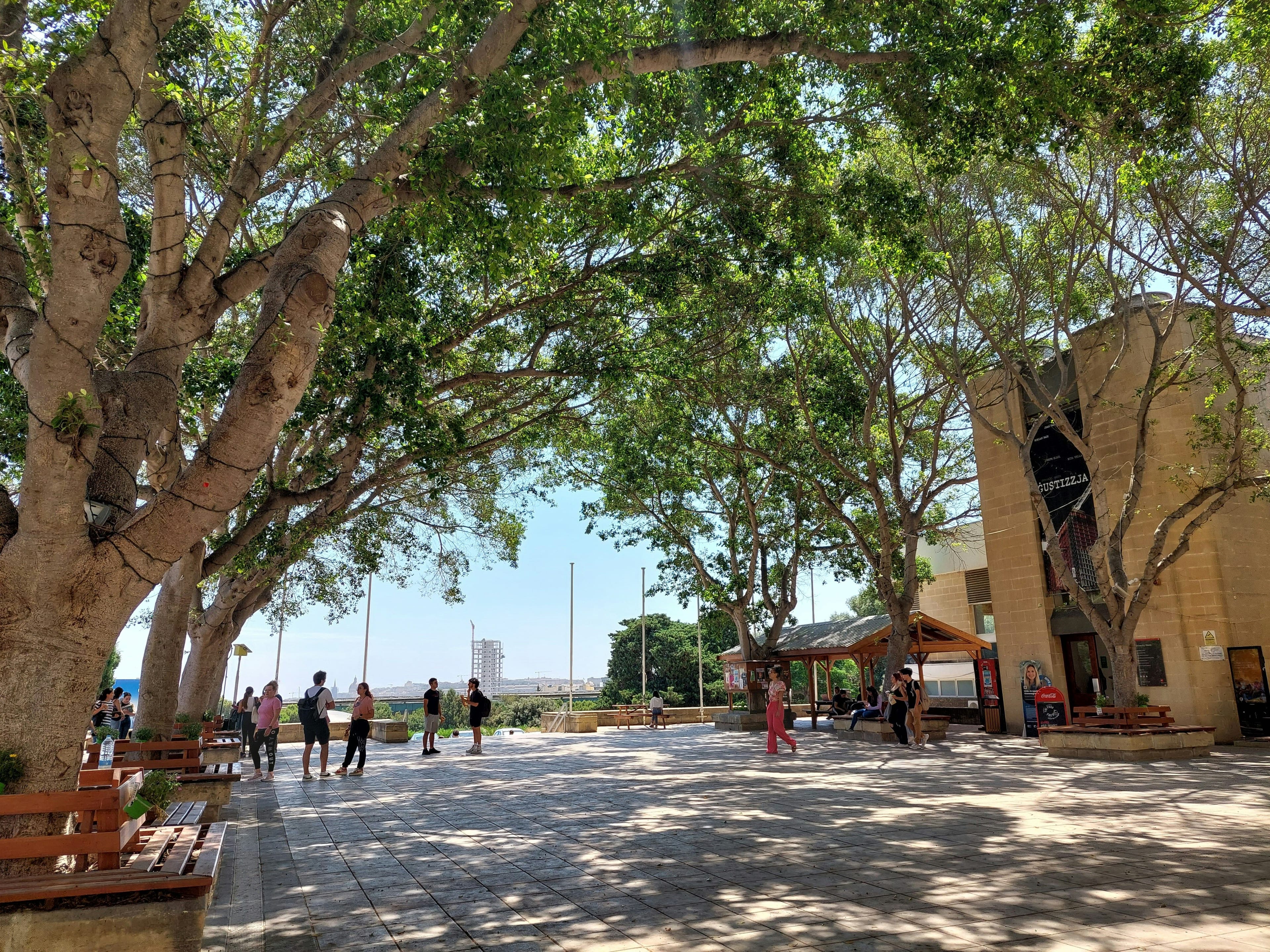
Msida
This one might interest you if you’re a student or work near the University of Malta. It’s a practical, central area with a lot of movement and an easy connection to everywhere.
- Average rent: around €950–€1,200/month for a one-bedroom apartment; two-bedrooms roughly €1,400–€1,700,
- Transport: excellent bus coverage; you can reach most of the island easily from the L-Università ta' Malta,
- Lifestyle: a lot of students, small local shops, a few traditional bars, and a small marina with fishing boats. However, quite dense with buildings,
- Community: students, expats, and locals,
- Vibe: urban, convenient, not fancy — but it works, especially for students.
St Paul’s Bay
Located on the north coast, St Paul’s Bay (including Bugibba and Qawra) is a mix of residential and tourist life.
- Average rent: around €950–€1,200/month for a one-bedroom apartment; two-bedrooms €1,300–€1,600,
- Transport: decent, but only a few buses go directly to the east side of the island. If you work near Sliema or Valletta, expect long rides and delays — especially in summer traffic,
- Lifestyle: lots of seafront apartments and restaurants. More relaxed than the east coast, with a balance between local and holiday vibe,
- Community: locals, expats, and many tourists in summer,
- Vibe: relaxed and local in winter, busy and crowded in summer.
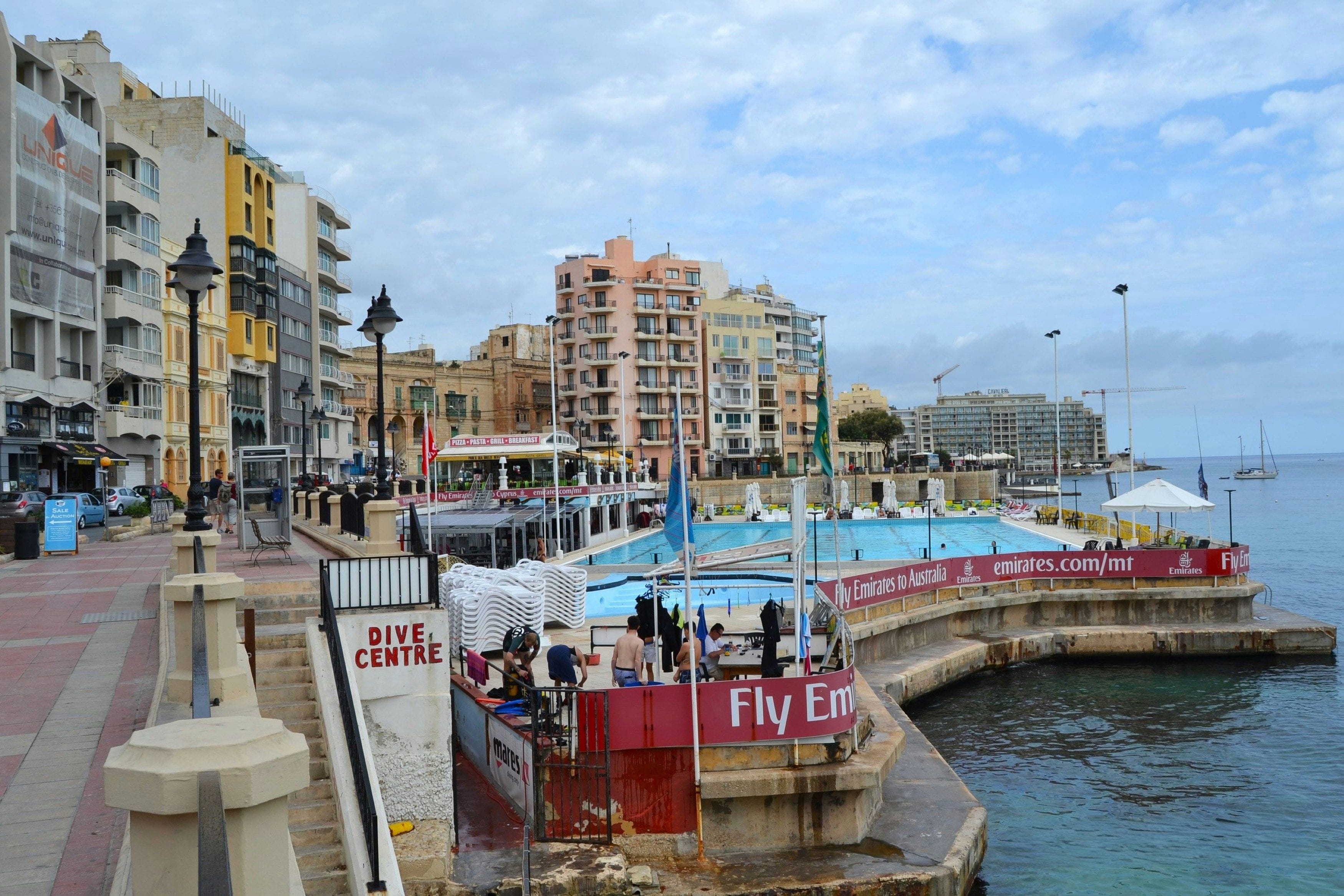
St Julian’s
Known for the best nightlife in Malta, St Julian’s is the entertainment capital of the island.
- Average rent: typically €1,200–€1,700/month for a one-bedroom flat; sea-view or Spinola Bay apartments can go above €2,000,
- Transport: many direct buses to Valletta and Sliema, a few to other parts of the island,
- Lifestyle: loud, crowded, full of bars, clubs, hotels, and shops; it’s not a “pretty” town to stroll or relax — it’s more about nightlife, restaurants, and convenience,
- Community: mix of expats, students, and short-term visitors
- Vibe: energetic and fun if you like crowds, but expect noise — not a scenic place to live